
Paying Your Water Bill by Card: Convenience Fees, Third-Party Sites, and How to Avoid Extra Costs
Why card payments often carry a fee, how unofficial bill-pay websites can add costs and delays, what the FTC found in its doxo case, and the cheapest safe ways to pay.
Why card payments often cost extra
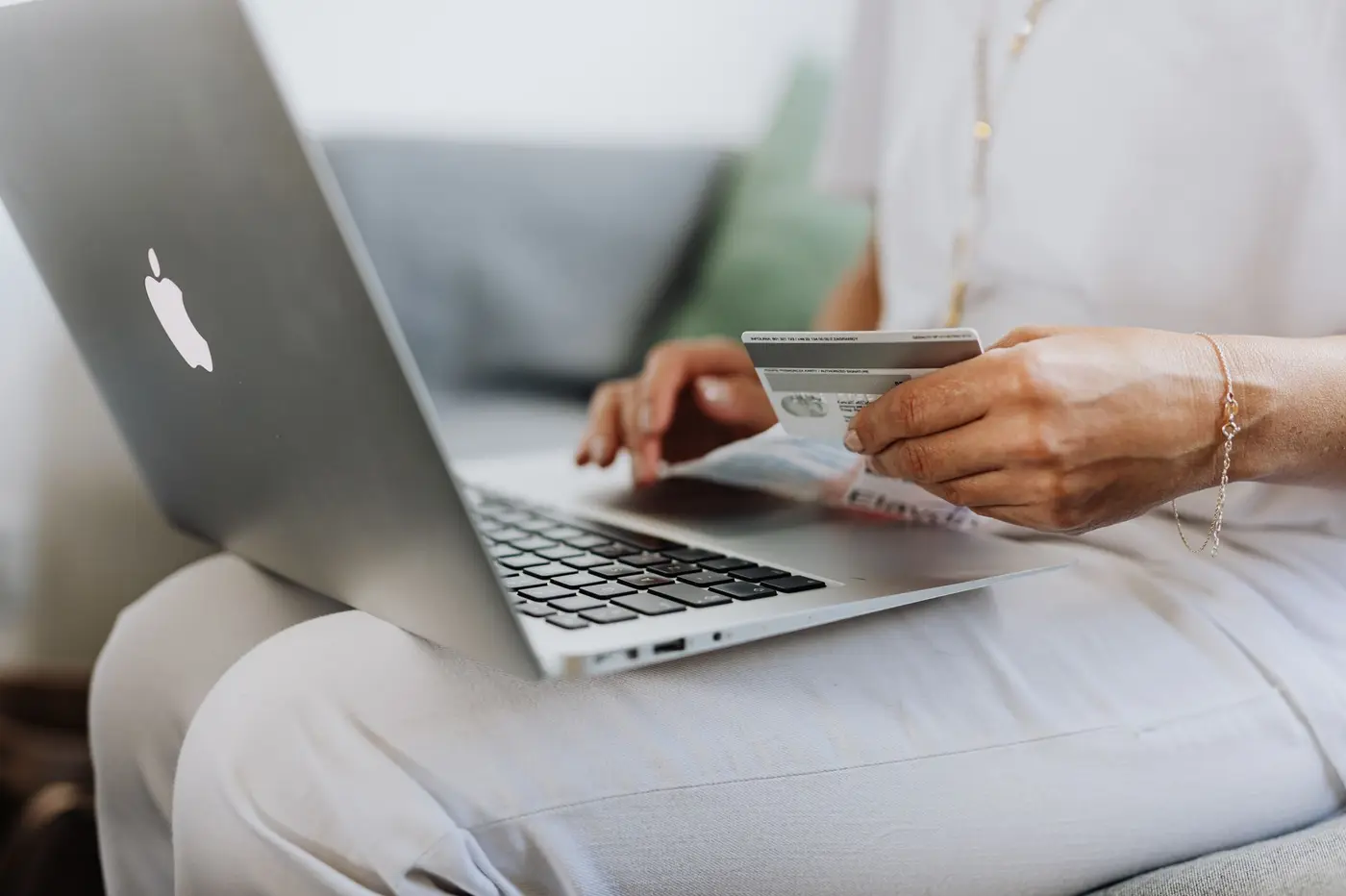
Card payments cost money to process. Many utilities pass that cost on to the customers who choose to pay by card, rather than building it into everyone’s rates. A legitimate payment page should show the fee before you confirm.
Payments from a checking or savings account usually cost the utility less, so they are often free. Before you pay, look for a fee schedule on the utility’s payment page. Our payment-access research found that many utilities offer online payment, but far fewer clearly publish their convenience fees.
What real fees look like
Here are two published fee schedules from large utilities. They show how much fees can vary.
Philadelphia lists free eCheck payments and free automatic bank payments. Residential debit and credit card payments online or by phone cost $2.95. In person, credit card payments cost 2.10 percent or a $1.50 minimum.
New York City’s Department of Environmental Protection charges a 2.25 percent convenience fee for credit or debit card payments. It says customers can pay by phone from a checking or savings account at no cost.
Here is an illustration with a made-up bill. On a $90 water bill, a flat $2.95 fee adds about 3.3 percent. A 2.25 percent fee adds about $2.03. On a $600 quarterly bill, the flat fee is still $2.95, but the 2.25 percent fee is $13.50. If you pay by card often, those amounts add up.
The third-party payment site problem
When you search for “pay [city] water bill,” the first results may be ads for bill-payment companies that are not your utility. Some look official. They may charge an extra fee, and your payment may reach the utility days later than you expect.
Several water utilities have published warnings about this. Beaumont-Cherry Valley Water District in California says third-party platforms like doxo are not affiliated with it. It warns that using them could result in late payments, service disconnections, or delays in reconnection.
What the FTC found in the doxo case
In April 2024, the Federal Trade Commission sued doxo, a bill-payment company. The FTC said the company bought search ads designed to make people think it was affiliated with the companies they owed, added fees that showed up only at the final payment step, and sometimes paid billers by mailed check days or weeks later.
The FTC’s consumer alert said some people who paid through the site had their utility service shut off or got a warning letter from a bill collector. Some paid their bills a second time to avoid other problems.
On August 17, 2026, the FTC announced a proposed settlement in which doxo will pay $2.1 million for consumer refunds. The order bars the company from misrepresenting its affiliation with billers and its fees, and from charging people without their informed consent. Proposed orders take effect when a federal judge approves them.
How to make sure you are on the official site
Use the web address printed on your paper bill or in a utility email you were expecting. You can also use the official website link on your utility’s profile in our directory. Bookmark it and use the bookmark next time.
Many utilities use a payment vendor, so the payment page may be on a different domain from the utility’s main website. That is normal. The safe path is to start on the utility’s own site and click its “Pay my bill” link, rather than starting from a search result.
- Skip search ads marked “Sponsored” or “Ad.”
- Check that the utility’s name and your account number appear correctly.
- Look for the fee before you confirm. If it is higher than the utility lists, stop.
- Never pay a water bill through a link in an unexpected text or email.
The cheapest ways to pay
If you want to avoid fees, look for these options on your utility’s official payment page. Not every utility offers all of them.
- Online bank-account or eCheck payment through the utility’s own portal
- Automatic payments from a bank account
- Your own bank’s bill-pay service, which sends the payment from your bank
- Paying by phone from a bank account, where offered for free
- Mailing a check early enough to arrive before the due date
- Paying in person at a utility office, where available
When paying by card can still make sense
A card fee is not always a bad deal. The FTC notes that credit cards offer the most protection against fraud, including the right to dispute charges. A card can also help in an emergency, such as paying the same day to stop a shut-off.
Weigh the fee against the alternatives. If your utility charges a small flat fee and the payment posts immediately, it may be worth it near a deadline. If the fee is a percentage of a large bill, a free bank payment made a few days early is usually cheaper.
If you already paid through the wrong site
Check your utility account to see whether the payment arrived. If it hasn’t and a due date is close, call the utility, explain what happened, and ask how to avoid a late fee or shut-off. Contact the payment site and your card issuer or bank about the fee or a refund. You can report a misleading site to the FTC at ReportFraud.ftc.gov.
Common questions
Why does my water company charge a fee to pay by card?
Card processing costs money. Many utilities pass that cost to customers who choose to pay by card. Bank-account payments are often free.
Is doxo my water company?
No. Doxo is a separate bill-payment company. Some water utilities have warned customers that it is not affiliated with them. In 2026 the FTC announced a proposed $2.1 million settlement with doxo over misleading practices.
What is the cheapest way to pay a water bill?
Usually a bank-account payment through the utility’s own website, automatic bank payments, or your bank’s bill-pay service. Check your utility’s fee schedule to confirm.
Research & references
These public resources informed this guide. They provide national context; your water provider’s current account-specific rules, notices, and instructions take priority.
- Pay a Water Bill City of Philadelphia · An official fee schedule: free eCheck and autopay, flat card fee online, percentage card fee in person.
- How to Pay New York City Department of Environmental Protection · A 2.25% card convenience fee, free bank-account payment by phone, and an official-channels warning.
- Customer Warning About Doxo.com Third-Party Website Beaumont-Cherry Valley Water District · A water district warning that unaffiliated payment sites can cause late payments and disconnections.
- FTC Takes Action Against Bill Payment Company Doxo for Misleading Consumers, Tacking on Millions in Junk Fees Federal Trade Commission · April 2024 complaint allegations: look-alike search ads, fees added at the last step, and slow mailed payments.
- Pay Your Bills, Not Impersonators Federal Trade Commission · FTC consumer alert on a bill-payment site that allegedly posed as billers and added fees.
- Bill Payment Firm Doxo to Pay $2.1 Million to Settle FTC Allegations Federal Trade Commission · August 17, 2026 proposed settlement barring misrepresented biller affiliation and undisclosed fees.