A Safer Way to Pay Your Water Bill Online
Use a short verification routine before entering account details or making an online water-bill payment.
Begin at the provider’s official website
A search result, text message, or mailed flyer can lead to a third-party payment service. That does not always mean it is fraudulent, but it does mean you should verify it. Start with the utility website printed on a recent bill or use the official website link in the US Water Bill Pay directory profile.
Look for the utility name in the page header and make sure the web address matches the provider or a payment vendor the provider names. If the page creates urgency or asks for unusual information, stop and call the number on the bill.
Confirm details before you submit
Log in or enter your account number only after confirming the destination. Review the service address, balance, payment amount, processing fee, and scheduled date. Some systems offer a one-time payment and a recurring autopay enrollment; choose deliberately because the terms and funding source may differ.
- Use a unique password for the utility account.
- Avoid public Wi-Fi for payments when possible.
- Save the confirmation number and a copy of the receipt.
- Check whether a convenience fee applies before authorizing the payment.
Pay early enough to allow for posting time
A payment date is not always the same as the date the utility posts it to the account. Mail, bank transfers, and third-party services can have cutoffs. If a deadline or shut-off notice is involved, read the provider’s current instructions and use the payment channel it identifies for time-sensitive payments.
After paying, confirm that the account reflects the payment. Keep the receipt until the next bill arrives or the balance updates.
Treat unexpected payment messages as a verification task
The FTC warns that phishing messages may claim there is a billing problem, ask you to “confirm” financial information, or push a link to make a payment. A familiar logo or utility name is not proof that the message is real.
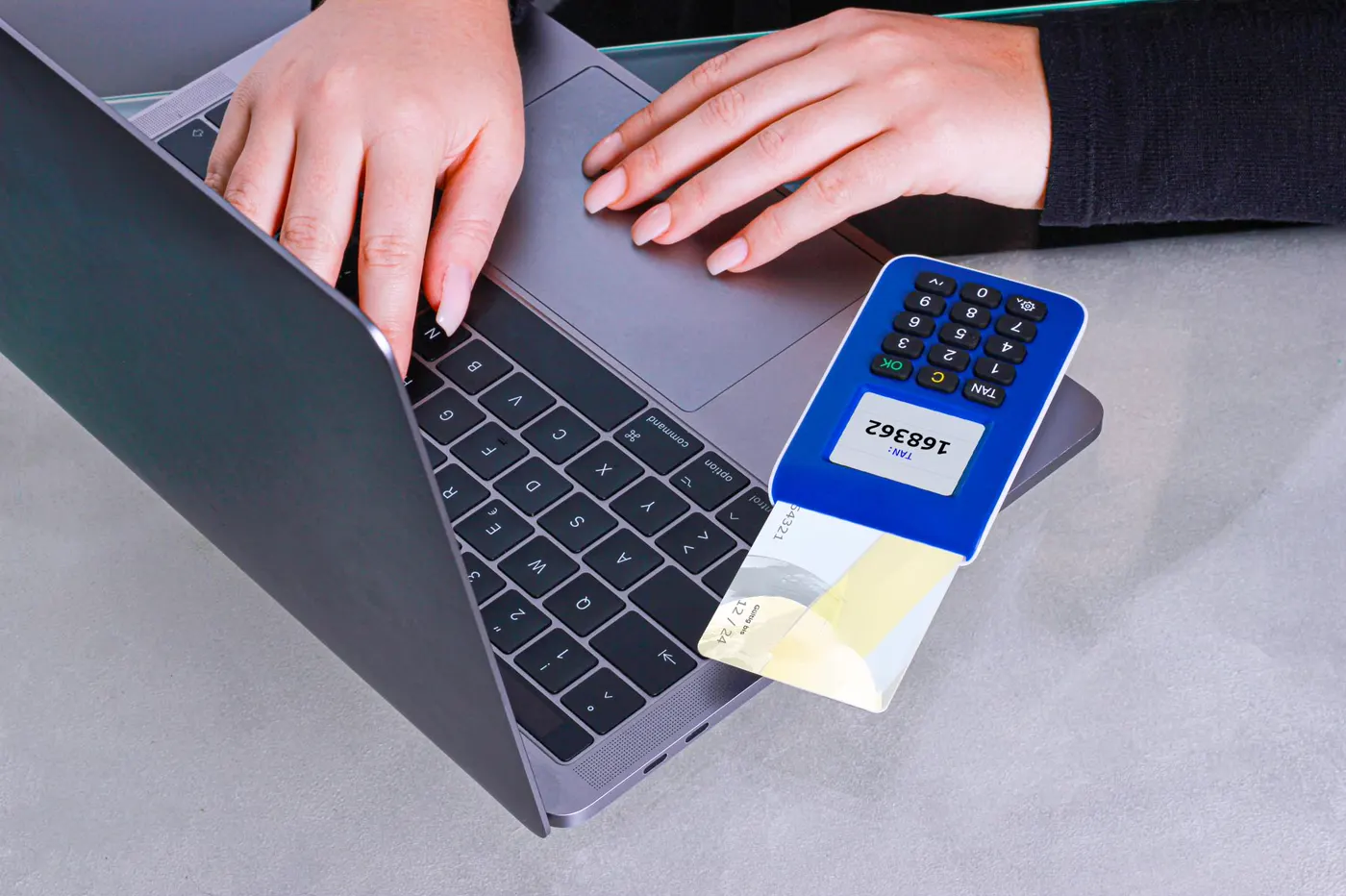
Do not click the link or call the phone number in an unexpected message. Instead, open a saved official bookmark, type the address from a current bill, or call the verified number on the statement. Never share a one-time verification code with a caller, text sender, or email sender.
Research & references
Official guidance behind this article
These public resources informed this guide. They provide national context; your water provider’s current account-specific rules, notices, and instructions take priority.
- How To Recognize and Avoid Phishing Scams Federal Trade Commission · How to verify unexpected payment messages and report suspected phishing.
- Use Two-Factor Authentication To Protect Your Accounts Federal Trade Commission · Additional protection for online accounts that offer it.