
Why Winter Water Use Can Change Your Sewer Bill Months Later
A careful explanation of winter averaging, sewer caps, fixed charges, and the questions to ask before assuming a high sewer charge is wrong.
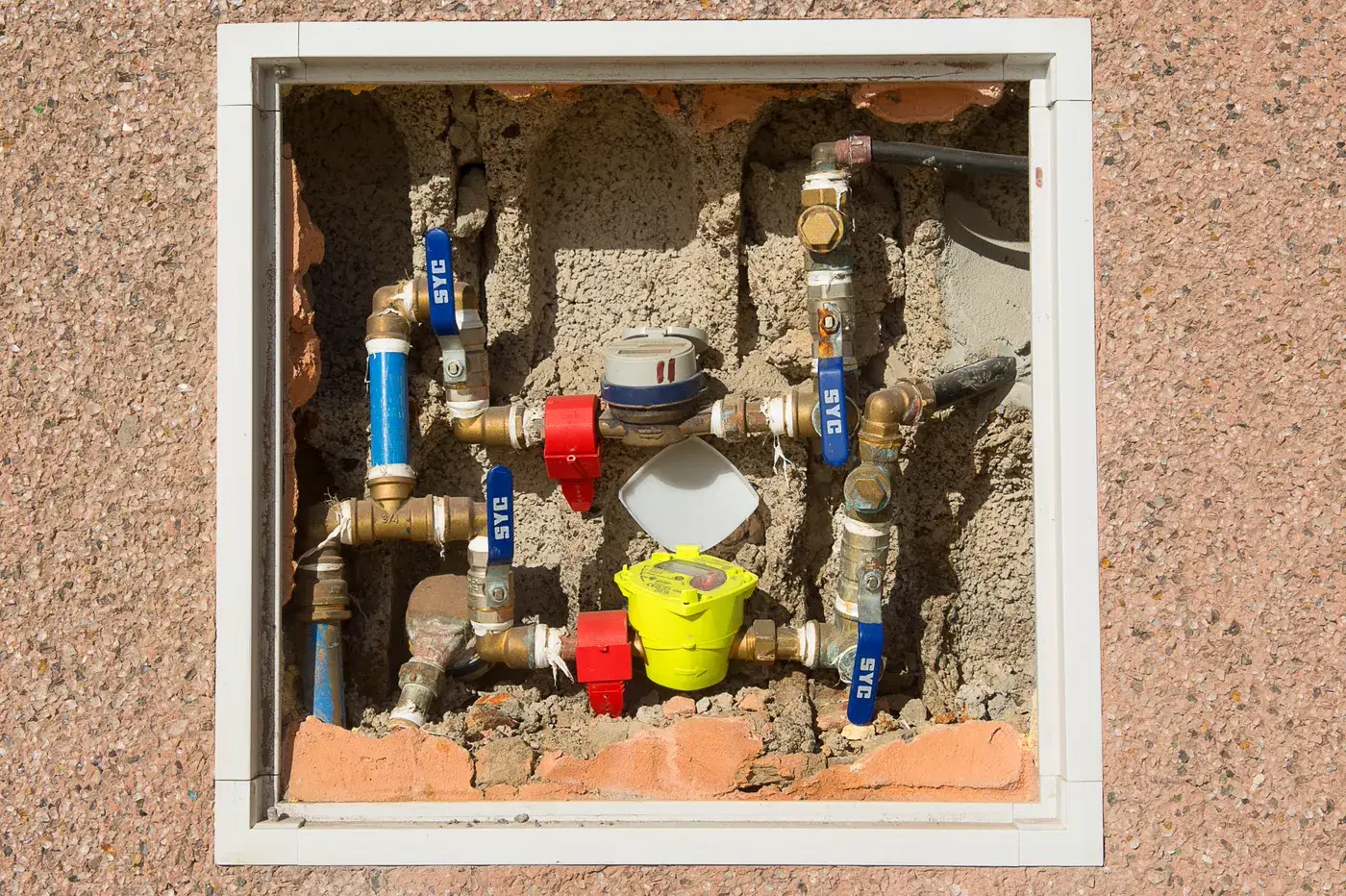
The sewer line usually does not have a household meter
A water meter can measure potable water entering a property, but most homes do not have a second meter measuring exactly what leaves through the sewer. Utilities therefore need a billing method for wastewater. Some use actual metered water, some use a fixed amount, and some estimate indoor wastewater from water used during selected winter months.
Winter averaging is based on a practical assumption: in cooler months, less household water is used for irrigation, pools, or other outdoor purposes that do not return to the sewer. The resulting average can become a sewer volume, a cap, or one component of the charge. The exact design is local, so “winter average” is not one national formula.
Two official examples show why the details matter
Seattle Public Utilities says single-family residential sewer bills use actual winter water consumption. During summer, if water use rises above the winter average, the sewer bill uses that average so outdoor use is not treated as wastewater. If summer water use is lower, Seattle says the lower actual use applies. Multifamily and nonresidential treatment differs.
Oklahoma City describes another structure: for most residential customers, December, January, and February usage establishes a winter average that becomes a cap on monthly sewer charges beginning in April. Its bill guide also identifies a default amount for new residential customers. These examples explain the idea; they do not establish the formula for another city.
A winter leak can echo through later bills
If the averaging period contains a running toilet, irrigation mistake, service-line leak, or unusually high occupancy, the calculated sewer baseline may rise. The immediate water bill is only one consequence; a higher sewer cap or billed volume can continue after the leak is repaired.
That does not guarantee an adjustment. Ask whether the utility recomputes the winter average after a documented leak, excludes an abnormal month, uses a minimum number of valid reads, or offers an appeal. Keep repair invoices and before-and-after meter evidence because the sewer calculation may be reviewed separately from the water charge.
Fixed sewer charges do not disappear when use falls
A bill can contain a fixed sewer service charge plus a volume-based charge. Lower consumption may reduce only the variable portion. Minimum billed volume, treatment charges, local taxes, or stormwater fees can also remain. This is why dividing the entire sewer line item by gallons can produce a number that does not match the published volumetric rate.
Separate the statement into fixed and usage-sensitive pieces. Write down the billed sewer units, the average or cap shown, the rate per unit, and every fixed component. If the arithmetic still does not reproduce the line item, ask the utility for the effective rate schedule and calculation worksheet.
Check the unit before checking the math
Sewer and water units may be gallons, thousands of gallons, cubic feet, or CCF/HCF. One CCF is one hundred cubic feet, approximately 748 gallons. A statement showing “6” may therefore represent 6,000 gallons or about 4,488 gallons depending on its unit.
Do not convert twice. If the rate table already quotes a price per CCF, multiply the billed CCF by that rate. Convert to gallons only when you need an equal-unit comparison. Retain the original billed unit in any question or appeal so the utility can reproduce your work.
Questions that produce a useful answer
Ask which months formed the current average, whether estimated reads were used, whether the result is a billed volume or cap, when it resets, and how new accounts are handled. Ask separately about fixed charges, minimums, and whether a qualifying leak can change the calculation.
If water and sewer are supplied by different entities, identify which organization sets the sewer formula and which one merely prints the combined bill. The billing office may be able to explain the charge, but the sewer authority’s adopted rate or ordinance is the source to cite.
- Which exact meter reads formed the average?
- Is the average a cap, a fixed volume, or one input?
- What happens after a verified leak?
- When will the average be recalculated?
- Which rate schedule was effective for this bill?
The safe conclusion
Winter averaging can protect a household from paying sewer volume on seasonal outdoor water, but it can also make an unusual winter month matter for much longer. The fair way to evaluate it is not to borrow another city’s formula. Reconstruct the local calculation from the bill, effective rate schedule, and the reads used for the account.
Research & references
Official guidance behind this article
These public resources informed this guide. They provide national context; your water provider’s current account-specific rules, notices, and instructions take priority.
- Understanding Your Water Bill U.S. Environmental Protection Agency · Rate structures, common units, and bill components.
- Understanding Your Sewer Bill Seattle Public Utilities · An official example of winter water use limiting summer residential sewer volume.
- Understanding Your Bill City of Oklahoma City Utilities · Base charges, 1,000-gallon units, estimates, and an official winter-average example.